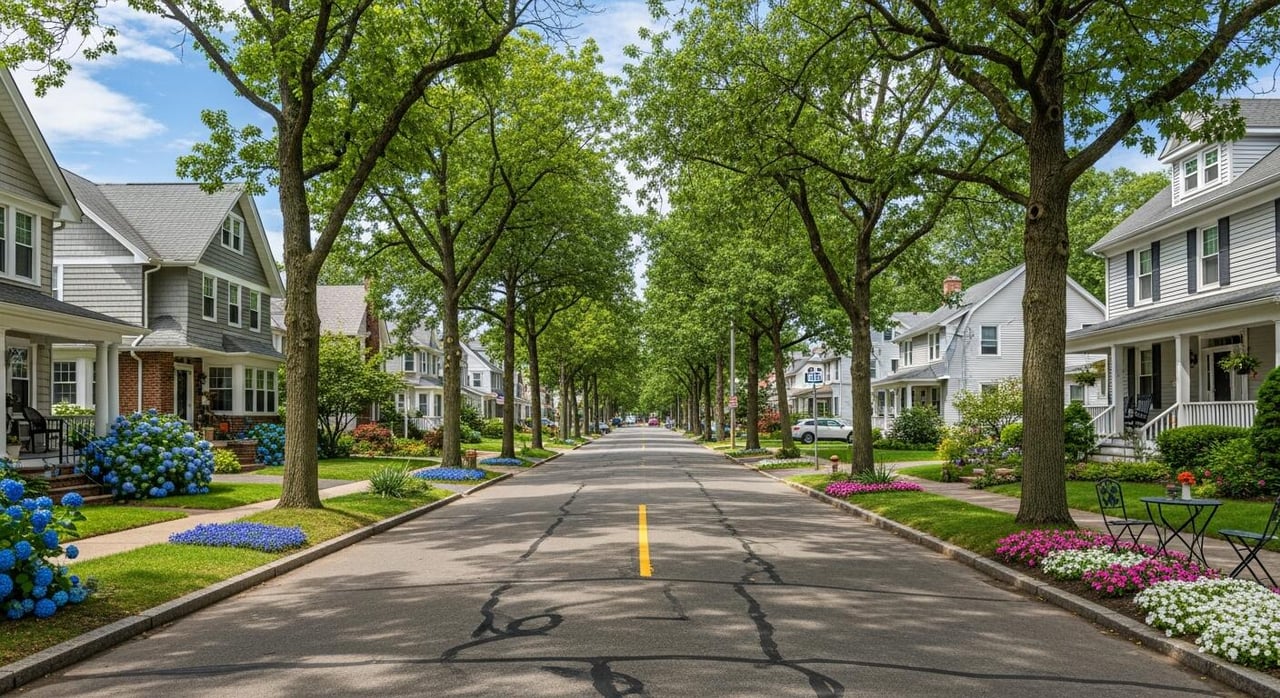
The Move from City to Suburbs: What Changes More Than You Expect
Lifestyle Sodeli Michelle May 1, 2026
Lifestyle Sodeli Michelle May 1, 2026
Moving from the city to the suburbs is often described in simple terms.
More space. More quiet. More room to breathe.
And while all of that may be true, the real shift is usually deeper than square footage or a change of address. It’s a change in rhythm. A change in routine. A change in how your days actually feel.
For many people, the move from city living to suburban living is not just about where they live next — it’s about what kind of lifestyle feels aligned for the season they’re in.
One of the things people often miss about city living is the ease of access.
Coffee around the corner. Dinner without much planning. A quick walk to run an errand. The energy of people, movement, and possibility just outside your door.
There is a certain convenience that becomes part of your everyday routine. You may not think about it while you’re in it, but over time, that rhythm shapes how you move through the day.
City living can feel immediate. Flexible. Spontaneous.
It is not only about location — it is about pace.
The suburbs offer something different.
More space. More privacy. More separation between work, rest, entertaining, and everyday life.
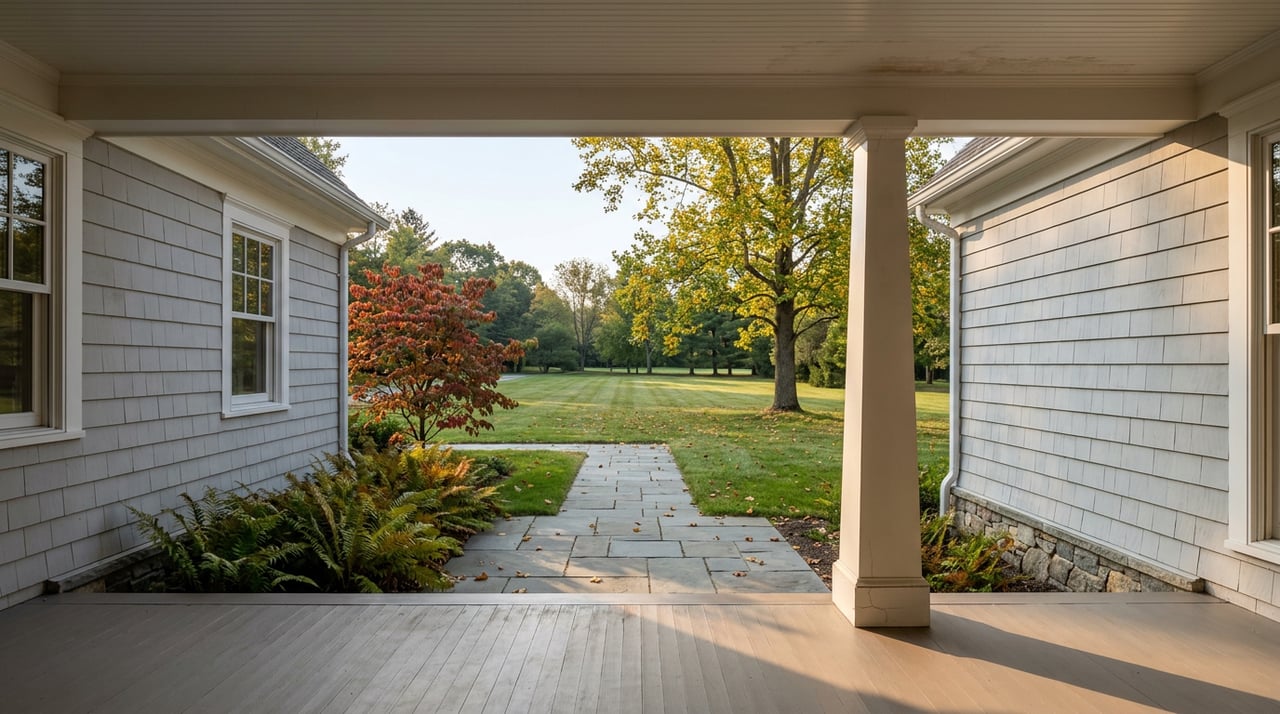
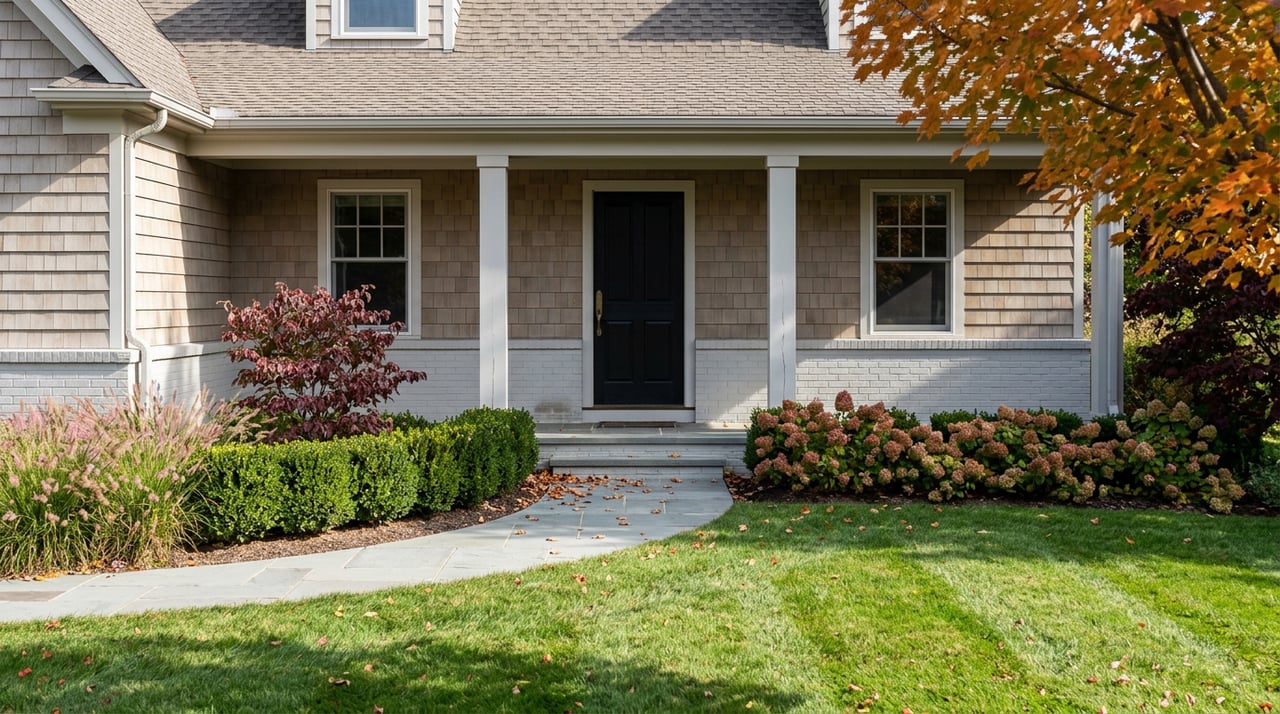
A larger kitchen may change how often you cook. A backyard may shift how you spend weekends. A quieter street may make evenings feel calmer. Extra rooms may give your home more flexibility as your needs evolve.
The ease of suburban living is not always about having everything steps away.
Sometimes, it is about having more room to live well within your own space.
The biggest changes are often the ones that show up slowly.
Errands become more intentional.
You may drive more than you walk.
Dining out may require a little more planning.
Quiet may feel peaceful — or surprisingly noticeable at first.
Time can feel different, too.
In the city, the day often carries its own momentum. In the suburbs, life may feel more spacious, but also more self-directed. The environment asks you to create your own rhythm rather than simply stepping into one.
That adjustment can feel refreshing, grounding, or even unfamiliar — depending on what you’re used to.
It is easy to frame the decision as a simple trade-off: convenience for space, energy for quiet, location for privacy.
But the reality is more personal than that.
Some people love the calm of suburban living immediately. Others miss the spontaneity of city life more than they expected. Some want space but still crave access. Others are ready for a slower, more private daily rhythm.
There is no universal “better.”
There is only what fits the way you want to live.
When considering a move from the city to the suburbs, it helps to look beyond the home itself.
Ask yourself:
These questions often reveal more than a list of bedrooms, bathrooms, or square footage ever could.
The move from city to suburbs is not just a real estate decision. It is a lifestyle decision.
It changes how you spend your time, how you experience your home, and how your surroundings support your daily life.
For some, the suburbs offer the space and calm they have been craving. For others, the shift comes with adjustments they did not fully anticipate.
Either way, the most thoughtful decisions happen when you look beyond the surface and consider how you truly want to live — not just where you want to move.
Because the right home is not only about how it looks on paper.
It is about how your life feels inside of it.
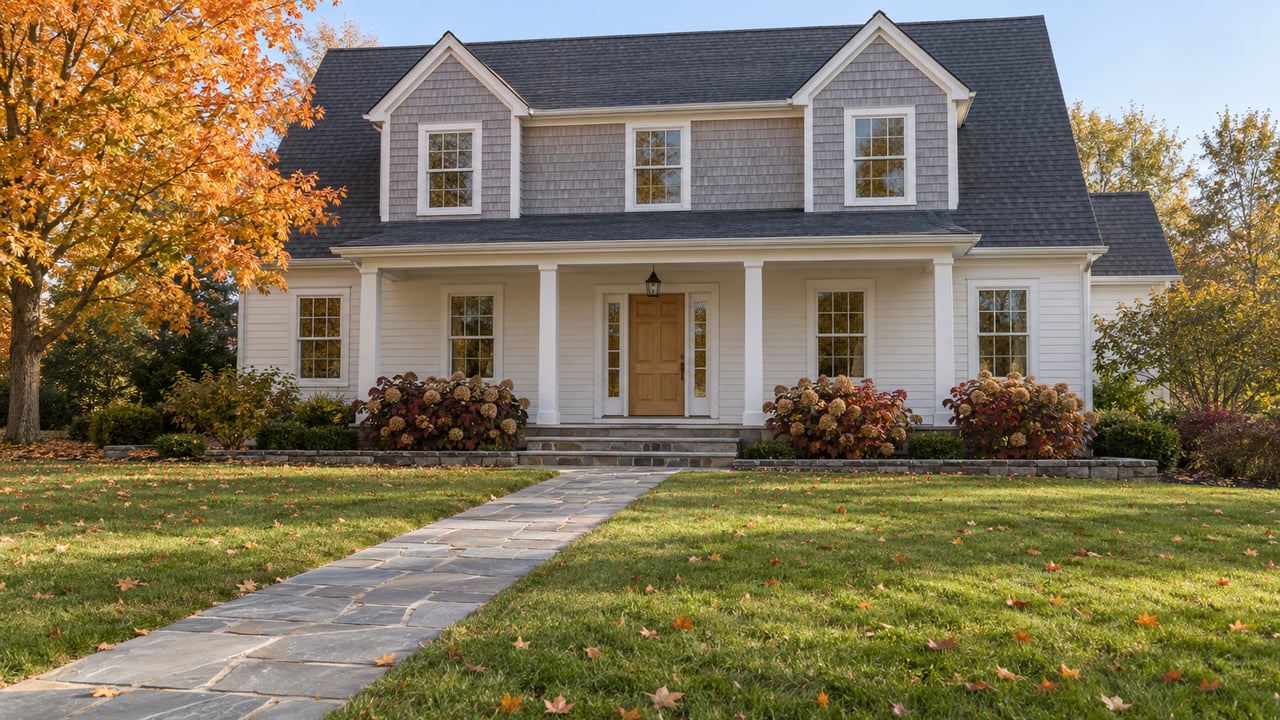



Your home is more than an address—it’s a reflection of your lifestyle. Partner with an expert who truly understands what luxury means.

335 US-9 South
Manalapan, NJ 07726