Spring Lake Coastal Living And Second-Home Insights
July 2, 2026
July 2, 2026
Dreaming about a coastal escape that feels polished, peaceful, and genuinely livable? Spring Lake stands out for buyers who want more than a summer address. If you are exploring a second home here, it helps to understand how the town lives year-round, how the housing stock shapes ownership, and what local rules can mean for your plans. Let’s dive in.
Spring Lake is a compact Jersey Shore borough with a strong summer rhythm, but it is also a year-round community. Borough history highlights its two-mile non-commercial boardwalk, sand beach, bed-and-breakfast inns, quaint downtown, and historic Victorian homes.
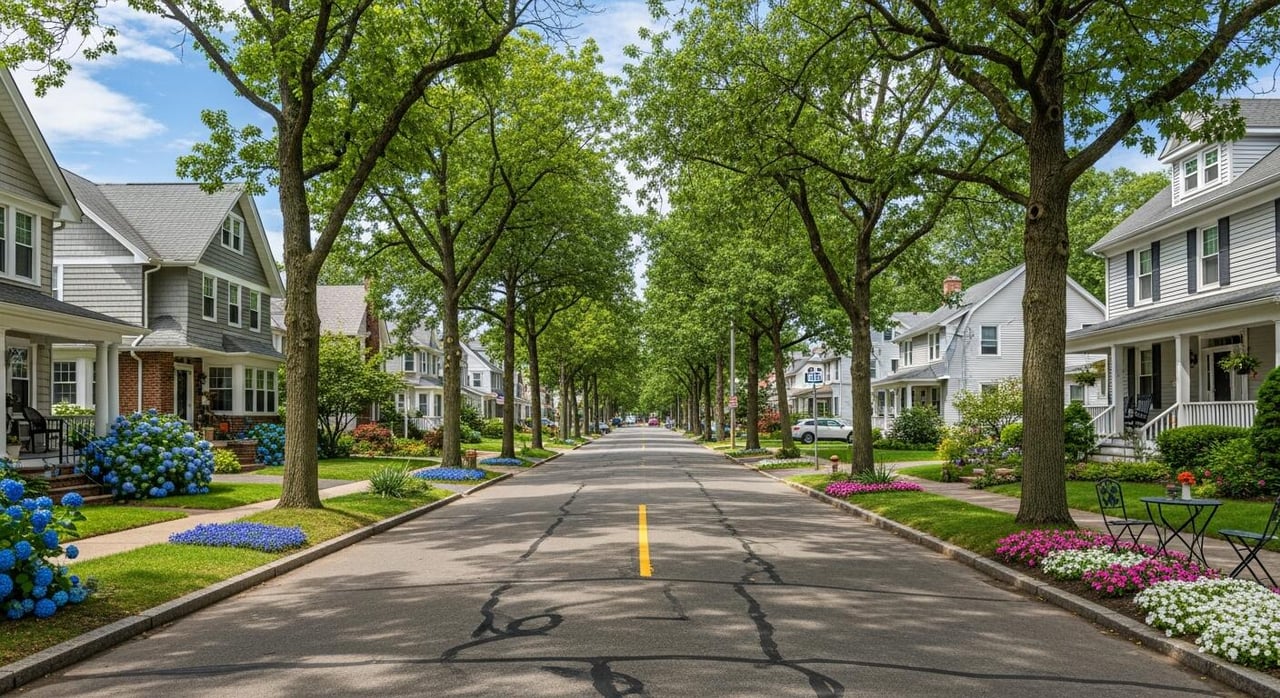
That mix creates a coastal setting that feels refined and residential rather than overly busy. Downtown sits a short tree-lined walk from the ocean and boardwalk, with shops, dining, galleries, and a park around a spring-fed lake.
For many second-home buyers, that balance is the draw. You get shore access and seasonal energy, but also a town layout that supports quieter day-to-day living.
Spring Lake is not just a vacation stop. Planning documents describe the borough as predominantly residential, with commercial activity centered mainly along Third Avenue and a smaller area near the train station.
The borough’s 2025 housing element estimates a year-round population of 2,782, with a median age of 61.4. It also notes that the population rises substantially in summer, which helps explain the seasonal shift you feel during peak beach months.
If you are buying a second home, this matters. A town with an established year-round base often feels more stable in the off-season, even when summer activity picks up.
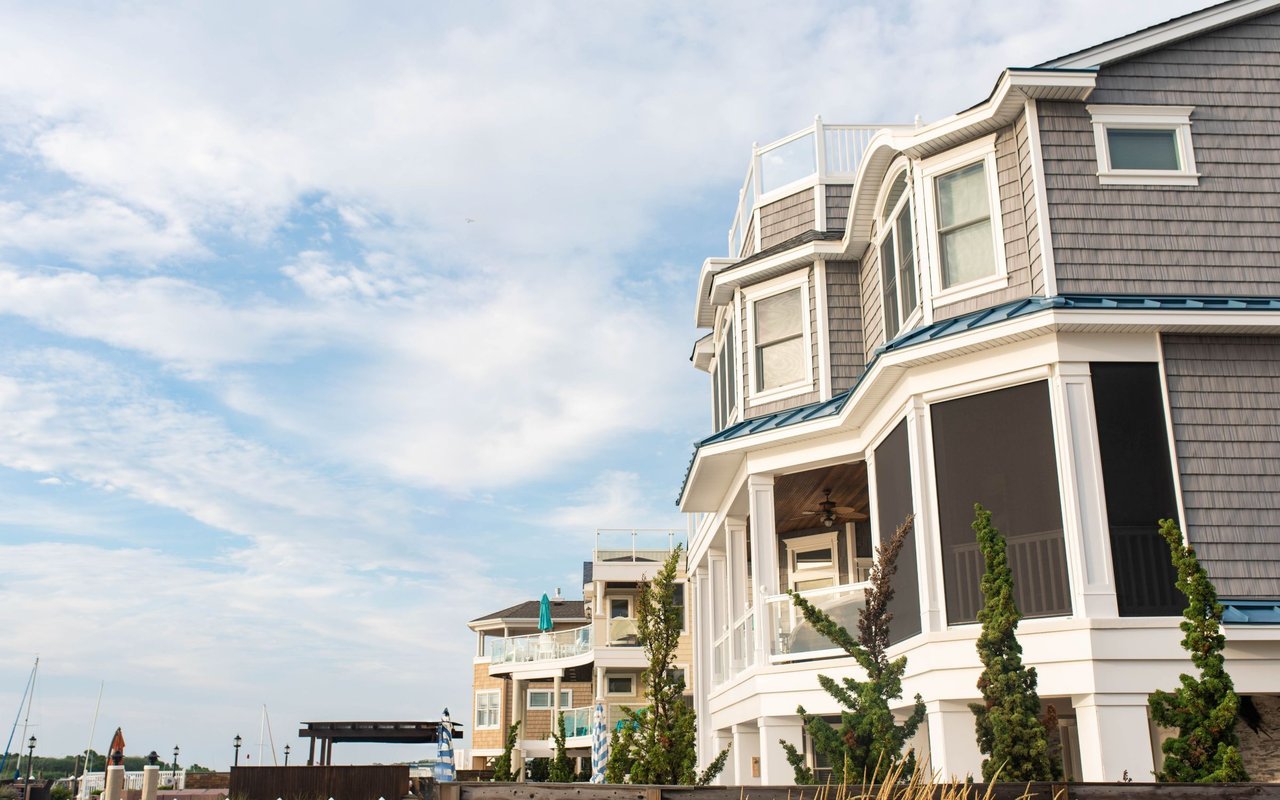
Spring Lake’s housing profile points to an older, high-value coastal market. About 87.6% of housing units are single-family detached, while a much smaller share includes attached homes and larger multifamily buildings.
The median year built is 1958, and 33.9% of homes were built before 1950. That means many properties may come with character, mature streetscapes, and architectural charm, but also with the maintenance questions that often come with older coastal homes.
The value side is notable too. The borough reports that 84.0% of owner-occupied homes were valued at $1 million or more, and the median owner-occupied value was listed at $2,000,000+.
For you as a buyer, price is only one part of the decision. In Spring Lake, long-term stewardship can be just as important as the initial purchase.
Spring Lake is largely built out, with limited vacant land. Local planning documents say future change is more likely to come through redevelopment than outward expansion.
That can affect how inventory behaves. In communities where land is limited and the housing stock is established, available homes may be fewer, and buyers may need to stay flexible on timing, renovation scope, or exact property style.
This is one reason a clear strategy matters. If you are looking for a second home in Spring Lake, it helps to know early which trade-offs you are comfortable making.
Part of Spring Lake’s appeal is its distinct beach season. For 2026, the borough lists main-beach access on select weekends before June 19 and daily access from June 19 through September 7.
Seasonal beach badges are $110, and daily badges are $12 plus a service fee. The borough also states that food and coolers are not permitted on the beach.
These details may sound small, but they shape your experience. A beach town with structured seasonal access and a non-commercial boardwalk often appeals to buyers who want a more measured coastal routine.
For many second-home owners, access matters almost as much as the home itself. Spring Lake Station sits on NJ Transit’s North Jersey Coast Line and offers parking plus bike racks or lockers.
NJ Transit says the line provides direct service to Penn Station New York, though riders should always verify current schedules. If you plan to split time between Spring Lake and the city, that rail connection can be an important part of your lifestyle planning.
It is also helpful for hosting guests. A shore home that feels easy to reach can become more usable throughout the year.
Second-home ownership in Spring Lake calls for thoughtful due diligence. Because the housing stock is older and coastal, your planning should go beyond finishes and square footage.
Here are a few practical areas to review early:
A well-bought second home is not only beautiful on closing day. It should also make sense for how you plan to use, maintain, and protect it over time.
If part of your second-home plan includes rental income, local regulations deserve close attention. Spring Lake requires a rental certificate of occupancy for residential rentals, including summer, winter, annual, and platform-based rentals such as VRBO or Airbnb.
The borough also caps the number of rental certificates for a structure or unit at four per calendar year. In addition, rental properties must carry liability insurance of at least $500,000.
There is another major rule to know. Borough code makes it unlawful to receive compensation for use or occupancy of a dwelling for six days or less.
Taken together, these rules suggest that Spring Lake is a better fit for longer seasonal or annual rental planning than for a pure short-term rental model. If rental flexibility is central to your purchase, this should be part of your decision from the start.
Flood planning is a key part of buying near the shore. New Jersey’s Department of Environmental Protection says sellers must disclose known and potential flood risks, including whether a property is in FEMA’s Special or Moderate Flood Hazard Area and any actual knowledge of flooding.
The same state guidance notes that flood risk is not limited to official FEMA flood zones. It also warns that sea-level rise and heavier rainfall are increasing flood risk across the state.
For you, that means flood due diligence should happen early, not after everything else is done. It is wise to review flood maps, ask detailed disclosure questions, and obtain insurance quotes as part of the buying process.
Standard homeowners insurance generally does not cover flood damage, and flood insurance is a separate policy. FEMA also notes that homes in a Special Flood Hazard Area with federally backed mortgages are generally required to carry flood insurance.
A Spring Lake purchase is often about lifestyle, but it also requires discipline. The strongest buying decisions usually come from balancing emotion with a clear review of ownership costs, property condition, local rules, and long-term fit.
That is especially true in a market with older homes, limited supply, and high property values. If you go in with the right guidance, you can better identify which homes offer the experience you want and which ones may bring more complexity than expected.
Spring Lake may be a strong match if you want:
It may require extra planning if your goals depend heavily on very short-term rental use or minimal upkeep. The town’s housing profile and rules make those details too important to gloss over.
A thoughtful purchase here is about more than buying near the water. It is about choosing a property and plan that support the way you actually want to live.
If you are considering Spring Lake as a second-home destination, working with a calm, detail-focused advisor can help you move with more clarity and confidence. For personalized guidance on coastal buying in Monmouth County, connect with Sodeli Michelle.
What changes when moving from city to suburbs?
Your home is more than an address—it’s a reflection of your lifestyle. Partner with an expert who truly understands what luxury means.
335 US-9 South
Manalapan, NJ 07726